Friday, 17 April 2015

Thanks for the memories!

These days I am not doing an awful lot of original research but instead relying on kind souls to point me in the right direction or sending me stuff. So I wish to thank everyone (especially on Facebook) for their finds relating to Sopwell. The odd photo turning up here and there gets me all excited again and I start writing more posts on the website.

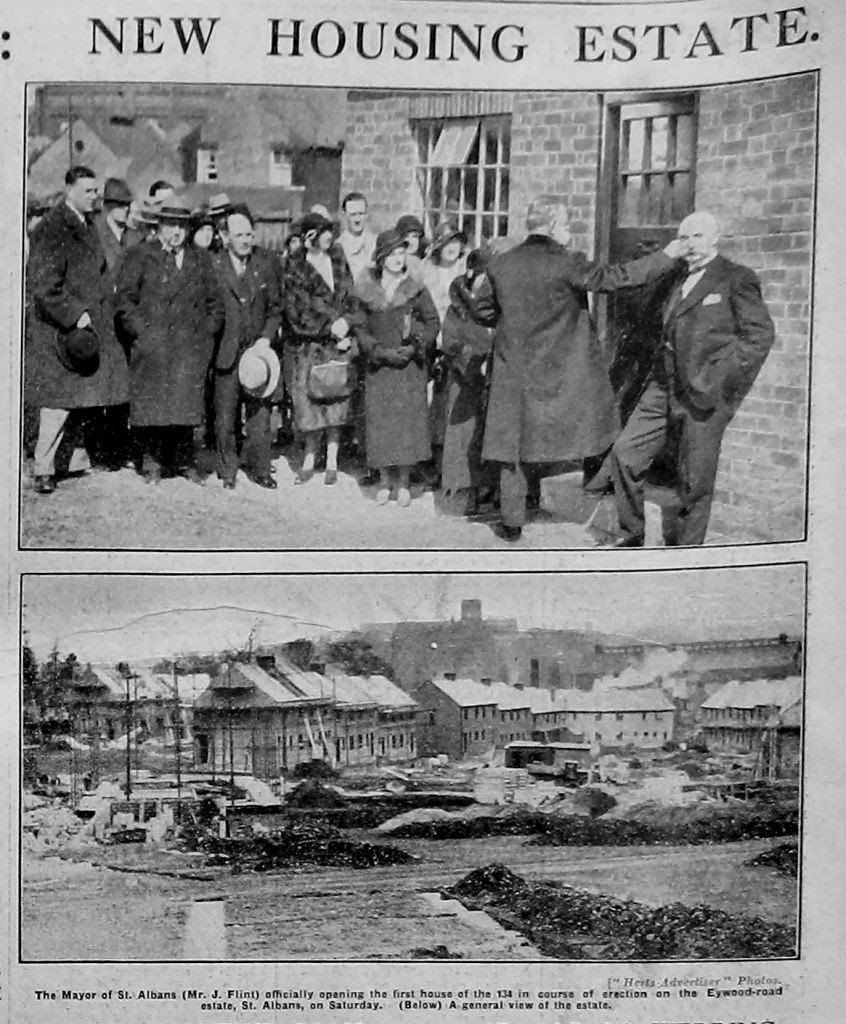
Mayor officially opening first house in Eywood estate
Mayor officially opening first house on the Eywood estate
Thanks must go to fellow historian, Mike Neighbour, who has been indexing photos in the Herts Advertiser. He has sent me some wonderful photos – well not that wonderful in quality as they are as they appeared in the paper – but nevertheless they have added interest to stories which I researched for my book on Sopwell.

One shows the fire at Sopwell Nunnery farm in 1931; another is the erection of houses on the Eywood estate (Doggetts Way and Wilshere Avenue) in 1932; and the third story is about the unsolved murder of Steven Varley in the allotments in 1948.


So three new posts on the Sopwell Memories website for you to enjoy!

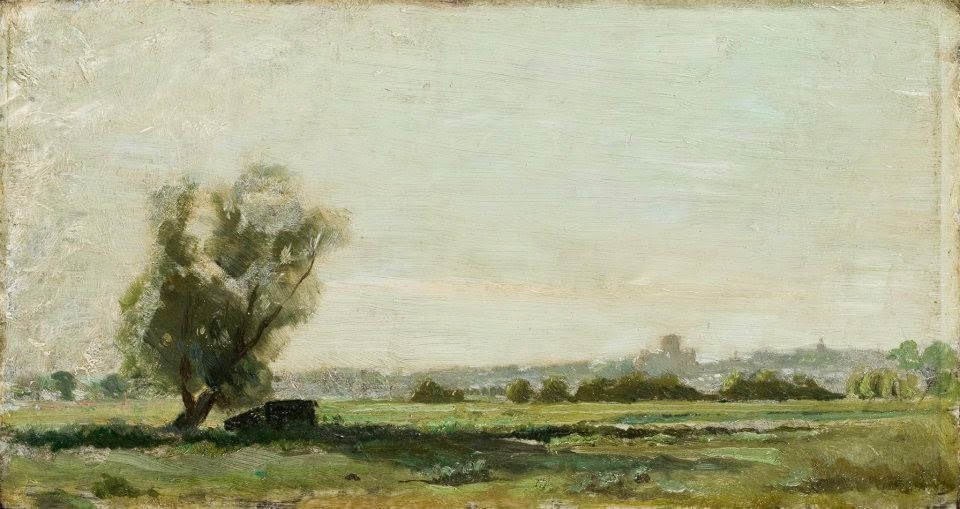
Sopwell Meadows by George Henry Moon
Also thanks to Derek Roft, a friend on Facebook, who has drawn my attention to two lovely paintings by George Henry Moon of Sopwell Meadows. This is the area in the Ver Valley near the Verulam golf course and Sopwell Mill. You can see the Abbey in the background.

When I last looked, there were nearly 27,500 hits on the website which is good which makes it all worthwhile.
  
--
Sandy Norman


Saturday, 14 February 2015

Well, well, well!

Few more posts uploaded to the website to tell you about and an exciting rediscovery!

Posts uploaded lately are: the Cottonmill Swimming Baths, Cottonmill Club, St Stephen’s, Mercer’s Chronometers and one on Miss Lydia Lightfoot of Holywell Hill which has been contributed by Lindsay Seagrim-Trinder. Lydia was born way back in 1875 so what a lovely link to the past that was.

Some time ago I uploaded an item about St Stephen’s Vicarage which described the house and the garden. This was written in the early 1920s by the incumbent Rev. Fielding Ould who wrote down a history of the church in a wonderful almanac which I was given permission to read. This is just one of the fascinating extracts: “The Vicarage garden and grounds (of about 2¼ acres) are of great natural beauty. They include an orchard walled on two sides and adjoining the churchyard, a large lawn on the east side of the house and a small lawn on the west on Watling Street side, a large walled kitchen garden, a glade at the south side of the large lawn, two shrubberies with trees, a pleasant little wood with fine trees opening from the bottom of the large lawn. There is an ancient and picturesque well with the wheels and cogs of wood. It has not been used since the town water became available.” [My italics]

And, I have a photo of this well which dates from the early 18th century illustrating how picturesque it was.


The structure around the well is no longer there but the well is! It has recently been rediscovered near St Stephen’s Church car park. There is nothing to see but a hole in the ground and it will have to be covered over in some way, of course, as it is a danger to man and beast, but what an exciting find! And it is another link to our history. There must be loads of wells in our area of course. Lydia Lightfoot had one in her garden at 61 Holywell Hill and the “Holy Well” is just up the road. It would be good to plot more of them. Let me know if you find one.

--
Sandy Norman


Tuesday, 13 January 2015

Roads and railways

Happy New Year to all my readers!

Now that I am not obliged to write a blog on a regular basis, I am afraid I have not been doing so. However, I have not been lazy! I have been working on my own family tree which has been sadly neglected since I started on this project.

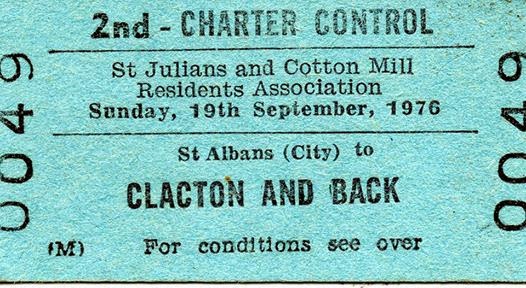
Rail ticket

I have posted several new items on our website www.sopwellmemories.org.uk and have added more memories and photos to existing posts. For example, I found some quality photos, courtesy of the Smallford Station Project website, of the Hatfield rail link from the 1950s showing the watercress beds in Riverside Road (now the Watercress Wildlife Area) and children playing on the line – naughty, but we know it went on. Did you know that it is the 150th anniversary of the Hatfield Rail link this year? I am sure there will be celebrations. And talking of watercress, there was a comment sent to me about another family called the Paynes who also grew watercress in St Albans. The family lived in Pageant Road. Does anyone recall this?

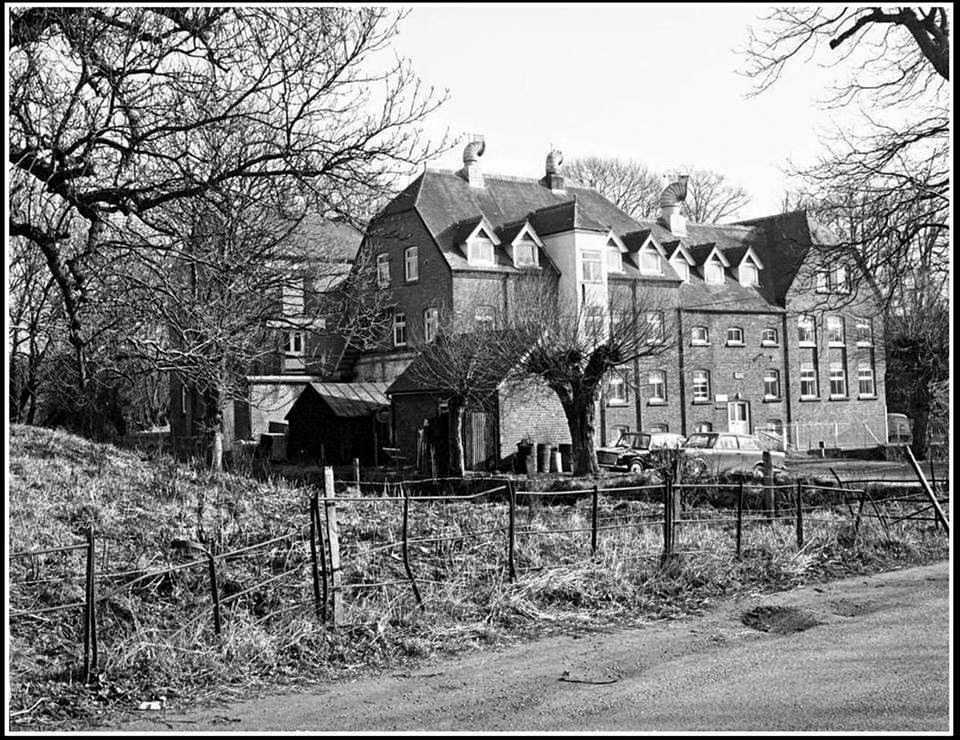
New Barnes Mill c1970s
I have also been looking at the census returns for those Sopwell roads and buildings that existed from 1851 - 1911. There weren’t that many of them in the early days. Going as far back as 1851, there was only St Stephen’s Vicarage, St Stephen’s (near the church), Sopwell Mill, Sportsman’s Hall and New Barns (sic). By 1861, it is clear that St Stephen’s is what is now called Watling Street. I have written about Prospect Road and St Julian’s farm and am presently working on St Stephen’s Vicarage. So keep watching.

The website is proving very popular and we have had nearly 20,000 visitors which isn’t bad. We haven’t interviewed anybody lately but we are still willing to do so if we get a whiff of a good memory.

--
Sandy Norman


Friday, 29 August 2014

End of the project – not really

In two days' time, on the 31st of August, the Sopwell Memories project officially ends. I have submitted my digital record – of which this blog is part – and also the required end-of-project report. Almost all of the Heritage Lottery Fund (HLF) £10,000 money has now been spent. So thank you Heritage Lottery!

I hope you will agree that we have done what we set out to do and produced a wonderful website at www.sopwellmemories.org.uk – something Sopwell should be proud of!

On our journey, we have interviewed many lovely people about their memories and transcribed the recordings; we have edited these and posted them on the website; and we have collected many more images and maps of the area and added these.

If you still haven’t seen how we did all this, then you have two days left in which to visit our exhibition at the Museum of St Albans in Hatfield Road. We are obliged to take it down on 1st of September.

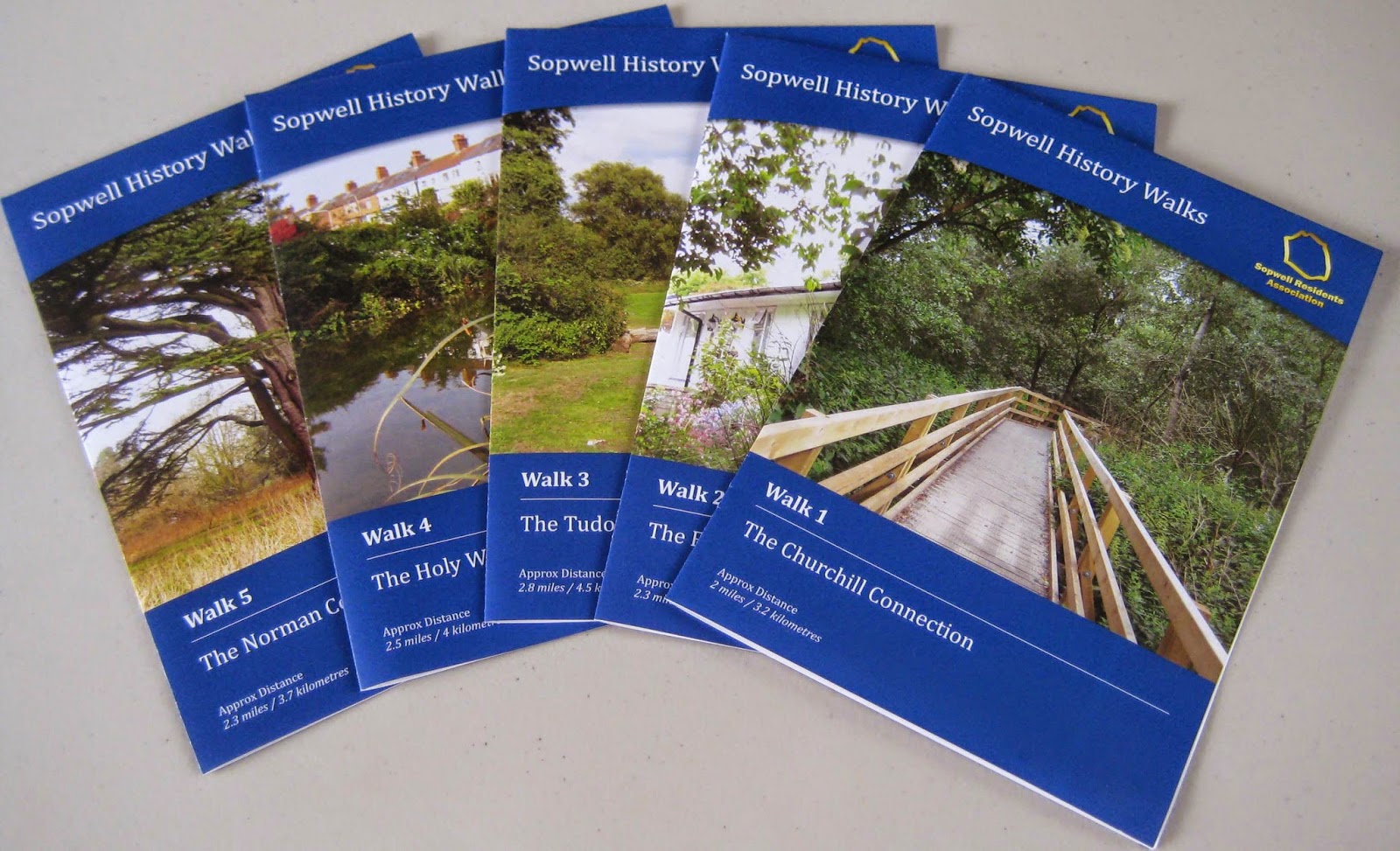
Sopwell History Walks Leaflets

As our final gift to you, and courtesy of the HLF again, we, that is the Sopwell Residents Association, have published a set of five Sopwell History Walks leaflets to encourage visitors to explore Sopwell and learn a little about its history.

Many of you will be aware that, each year, we organise a walk around our area. These popular walks, which explore our history and green spaces, started several years ago, and there has always been a lot of interest in them. So, in our request for a grant from the Heritage Lottery Fund for the Sopwell Memories project, we asked for some money to print walk leaflets. And these are the result!

The five short and fairly easy circular walks were beautifully produced by Diverse Print and Design, the company who also did our book Sopwell: a history and collection of memories. And our own Barry Bateman has drawn by hand a beautiful map in each, so you shouldn't get lost.

The leaflets are free and available from the Museum of St Albans and from the Tourist Information Centre in the old Town Hall. Pick one or two up when you are passing!

In addition, you can view/download them in PDF format from the Sopwell Memories website.

As I said before, it may be the end of the project, but we will still be collecting memories to add to the website, so if you want to take part and tell us your story, please get in touch.

--
Sandy Norman